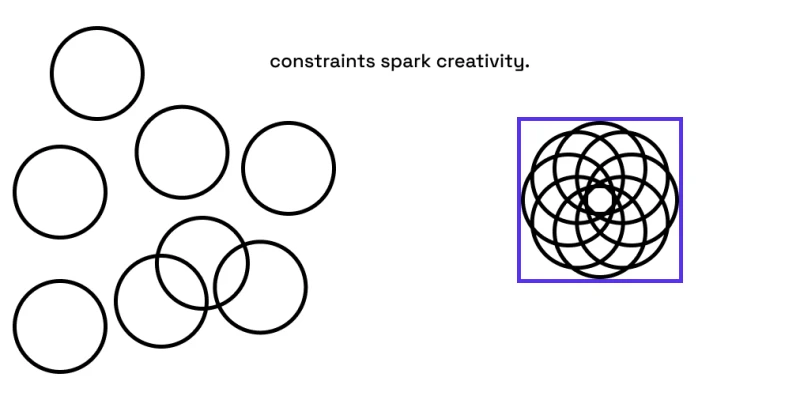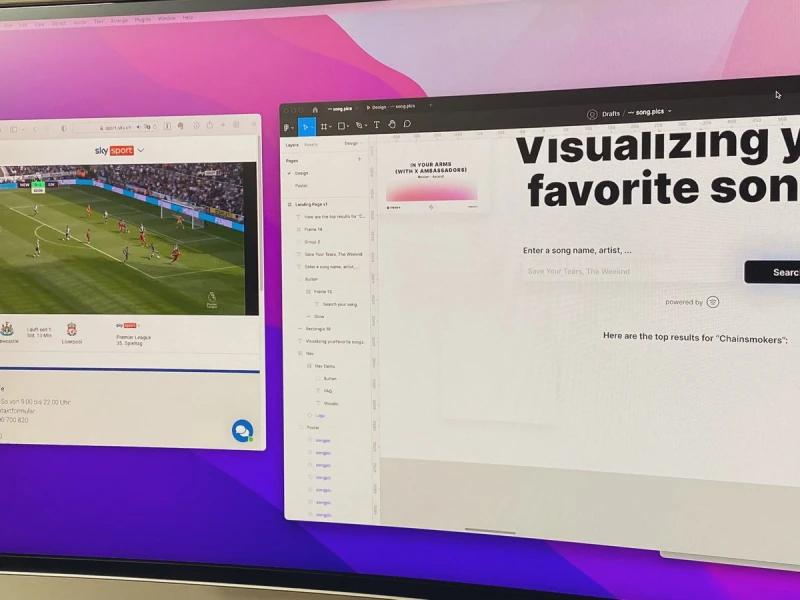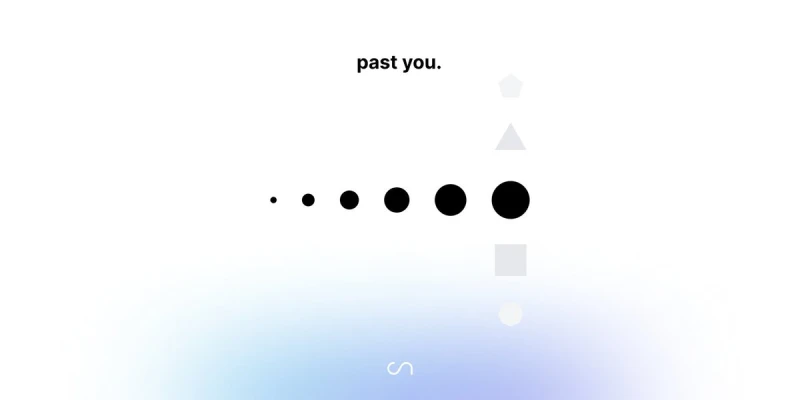

TIL that you can easily create “zoom in” videos like this natively on macOS.
Simply go to your accessibility settings and enable “Use scroll gesture with modifier keys to zoom” under the “zoom” option.
H/t to @tdinh_me for sharing this!
TIL that you can easily create “zoom in” videos like this natively on macOS.
Simply go to your accessibility settings and enable “Use scroll gesture with modifier keys to zoom” under the “zoom” option.
H/t to @tdinh_me for sharing this!
My first product indocus is live on @ProductHunt 🥳🥳
Go check it out and let me know what you think about it!
https://www.producthunt.com/posts/indocus
My Youtube liked playlist is like a time capsule. By going through the videos, I see what I was interested in during past times.
Hope my Twitter account will be the same in the future.
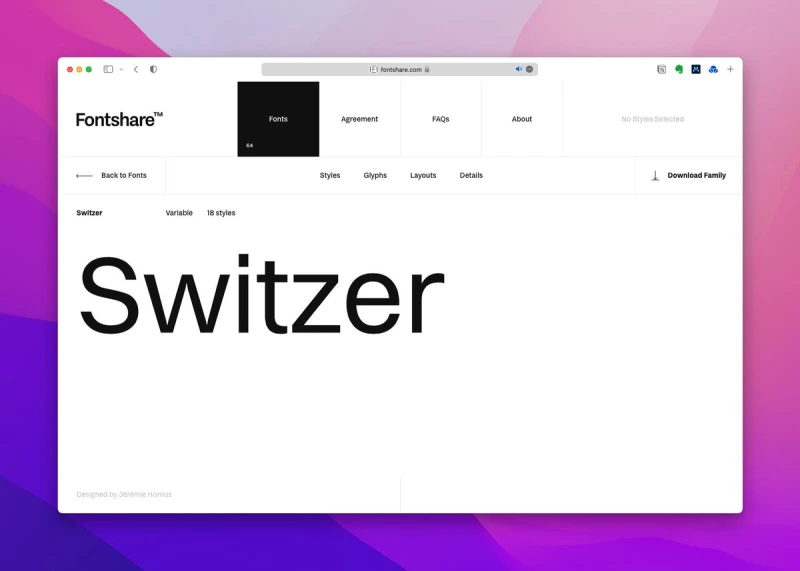
Tired of overused Google fonts but buying fonts is too expensive?
Check out @fontshare_com, “a free fonts service by @itfoundry, making quality fonts accessible to all.”
One of my personal favorites is Switzer, might use it for my personal branding.
Just installed @raycastapp on my Mac. After playing around with it for a few minutes, I think Alfred is a thing of the past.
There are many great web design inspo sites out there, but I think I've just found the best one: @godlywebsite
Beautifully curated and new sites every day.
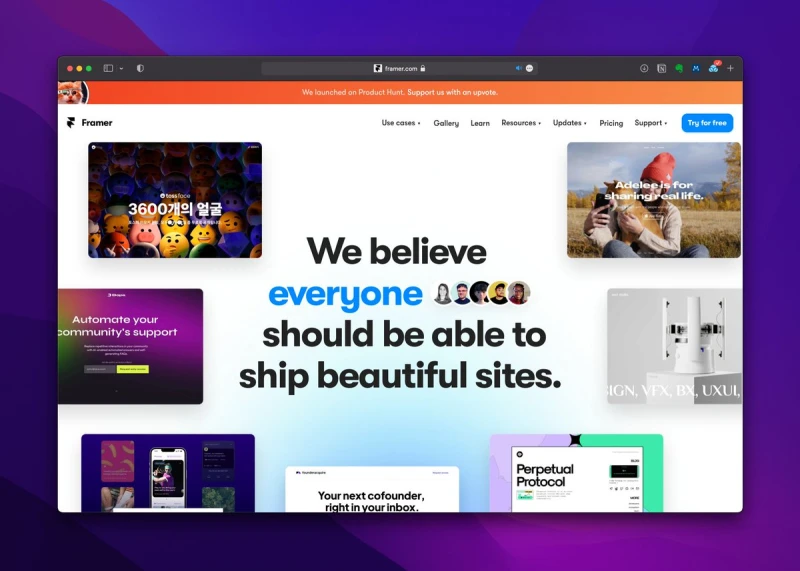
The new @framer looks really promising 👀
Seems to be even simpler than Webflow which is great news for no-coders!
On an additional note, looks like their previous main product Framer X is gone...
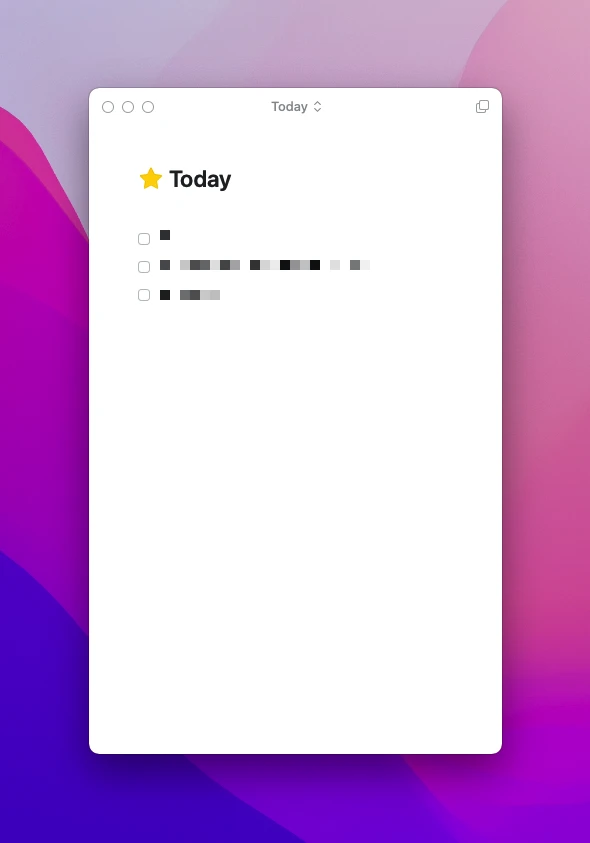
Things 3 without the sidebar on Mac is just such a beautifully designed app. It's exactly the minimalist aesthetic that I dig🤩
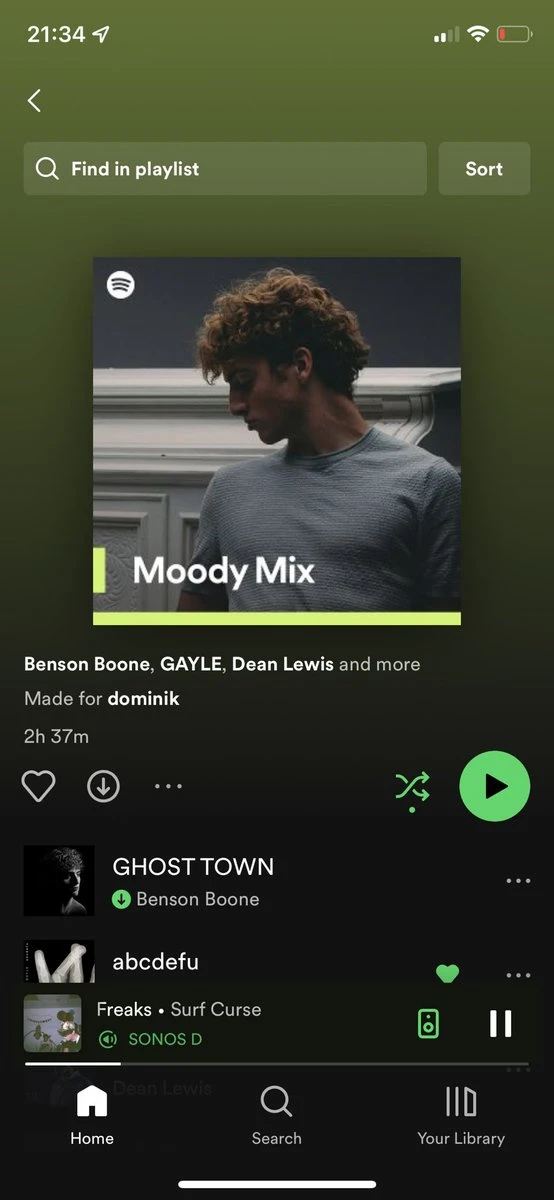
.@Spotify seems to have gotten rid of that weird ”play in shuffle mode“ button in playlists.
You can now toggle the shuffle mode individually right next to the play button.
Like it :)
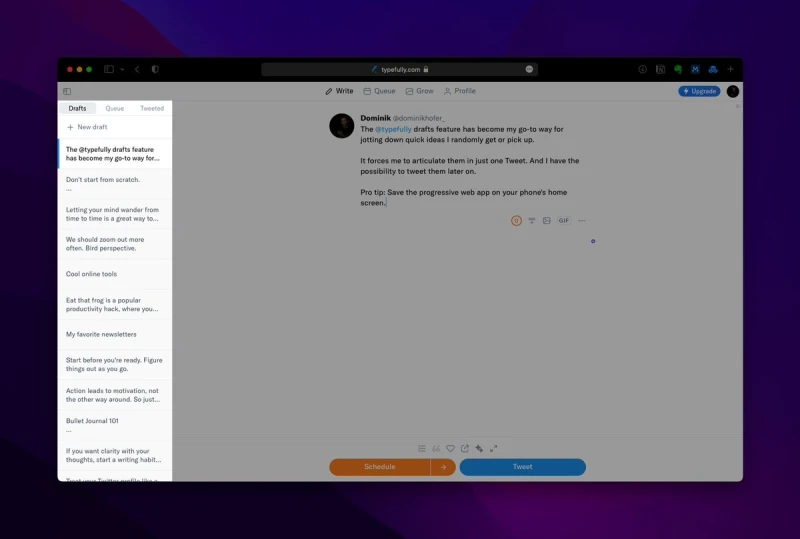
The @typefully drafts feature has become my go-to way for jotting down quick ideas I randomly get or pick up.
It forces me to articulate them in just one Tweet. And I have the possibility to tweet them later on.
Pro tip: Save the progressive web app on your phone's home screen.
I've always struggled with finishing the projects I started. That needs to change.
So I set myself up for a challenge: Over the course of the next 7 days, I'm gonna plan, design, build & launch my first product!
Follow along in this ongoing thread 👇
(RTs appreciated, thanks!)
Sharing your progress in public is a skill that has to be learned. I find it especially difficult to post about the "boring" stuff cause I always think it doesn't interest anyone anyways…
How are you dealing with this feeling?🤔
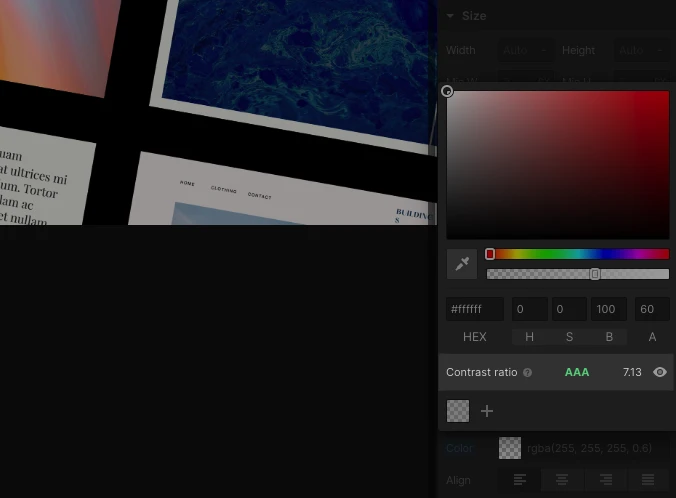
TIL that @webflow has a contrast checker built-in right in the color picker. Very handy and great to see that attention to detail!
App tip of the day: @getmatterapp
With the latest 2.0 update, it really is the read later app that I've always wanted: Clean & minimalist design, various integrations, unlimited highlights.
Time to ditch Instapaper👋
Constantly switching between @evernote and @NotionHQ for building my #secondbrain. I like the search aspect of Evernote and that you can create new notes quite easily. On the other hand, databases are such a handy feature in Notion.
Aaargh... Anyone else experiencing this?🤔
Having less choices is often times more of a blessing than a curse.
It's the same with creativity, the more constraints the better the result. Usually.
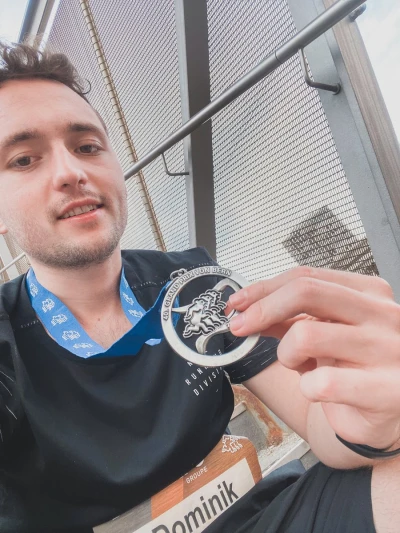
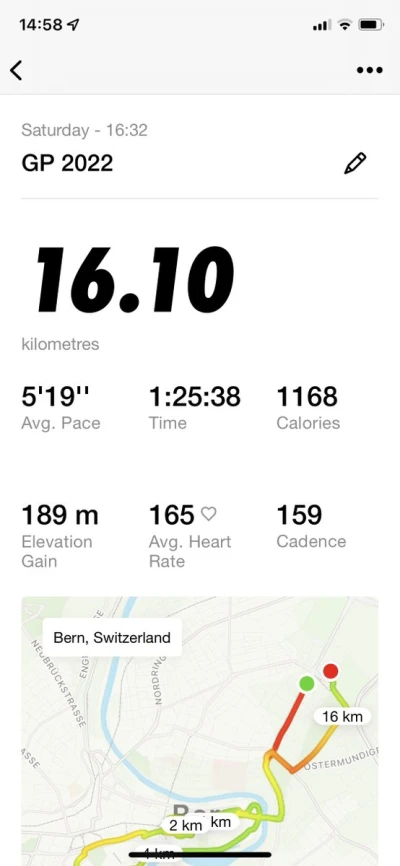
Ran my first race yesterday 🥳
Quite happy with the result, now on to the next challenge!
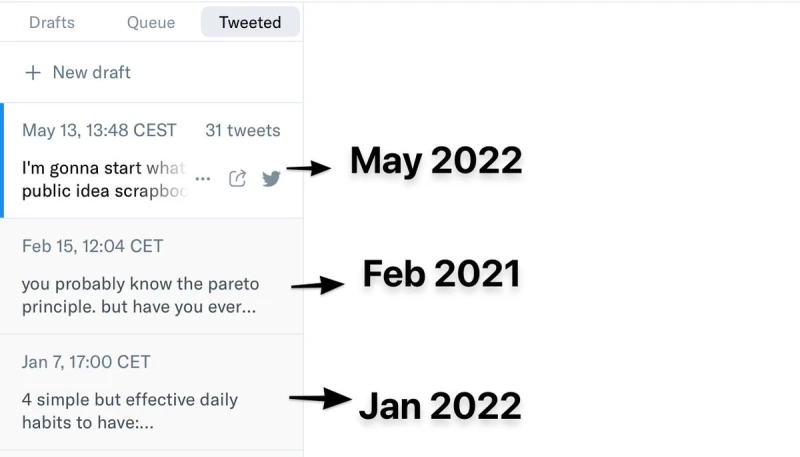
Hey @typefully, just wanted to let you know, that in the “Tweeted” view, the Tweets are only sorted by day and month but not by year. See the screenshot below.
Just preordered the “from consumer to creator”-course by @AlexLlullTW & @AlexMaeseJ. What excites me the most is that it's only 1 hour's worth of content so you can get started right away.
Really looking forward to the launch and taking Twitter more seriously!
Show thread (2 posts)
I'm gonna start what I call a public idea scrapbook.
In this ongoing thread, I'll share my (crappy) project ideas as I get them, raw and unfiltered. Leave your feedback or build them yourself.
1 tweet = 1 idea
Let's go👇
Show thread (12 posts)
Usually not a big fan of these self help threads but this one was really good 👇 https://xcancel.com/JoeHolka/status/1524397041048297473
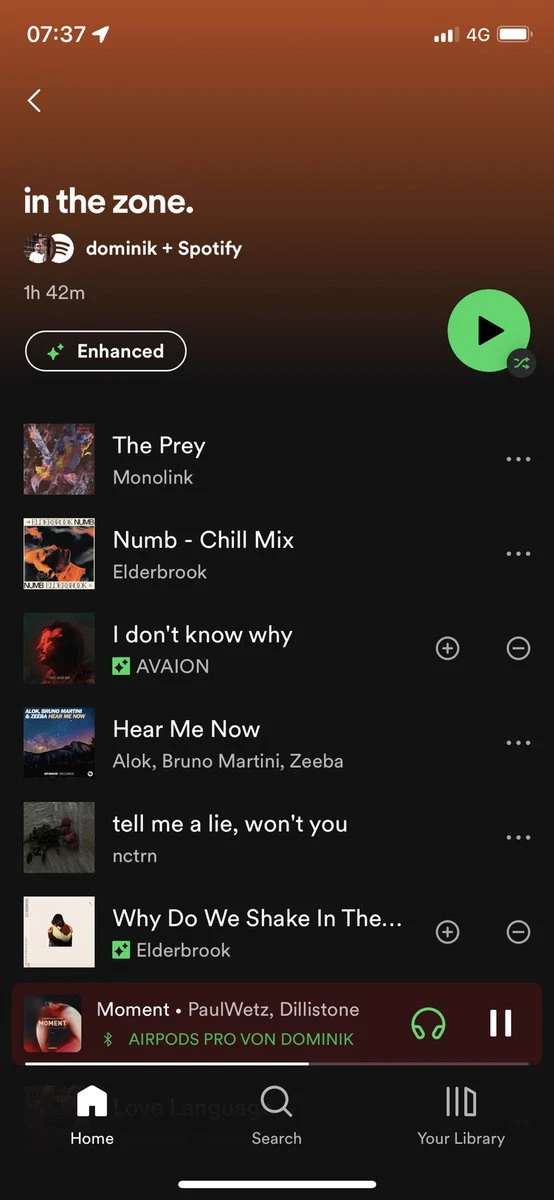
Really like the @Spotify enhanced playlist feature! It kinda makes your playlists feel more like radios. Already discovered some great songs with it 🙌
One of my pet peeves is deleting all the query parameters from an url before sharing it.
Gotta keep them urls clean💆🏻♂️
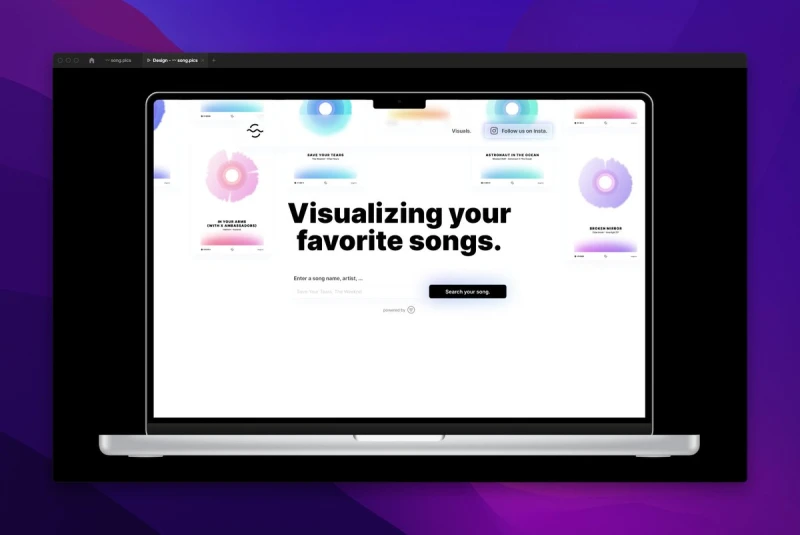
The new landing page for http://song.pics is coming along very nicely. Really dig these colors 👀
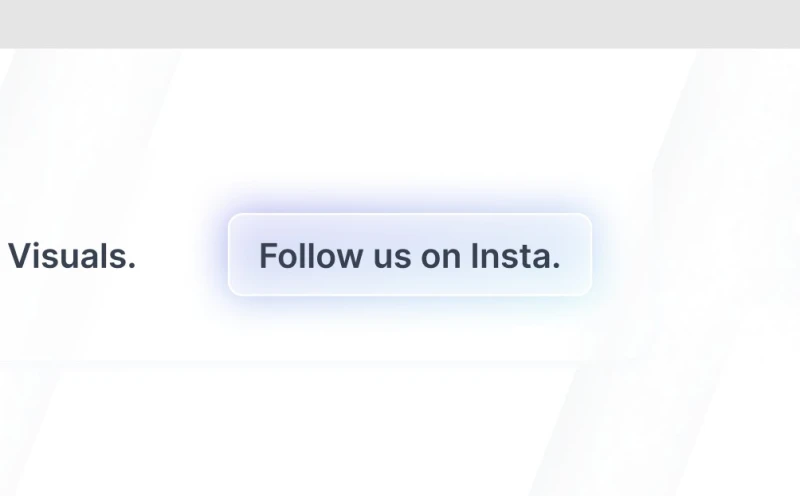
Really dig this button style I came up with for http://song.pics 🤩
Just finished the @vercel http://nextjs.org/learn tutorial, one of the best pieces of docs/learning resources I've ever came across. Gives a broad overview over what the framework has to offer, which makes it easier to dive into the real docs.
Show thread (2 posts)
I wonder if I should maybe use this opportunity and use Next.js instead of Nuxt this time to get a deep dive into React. 🤔
Do you happen to know any great resources to get started with Next? https://xcancel.com/dominikhofer_/status/1516719778815172609
Brushed up my Vue 3 skills a bit by following a great tutorial by @_EarthIsSquare
Now onto continuing to build http://song.pics 〰
Show thread (2 posts)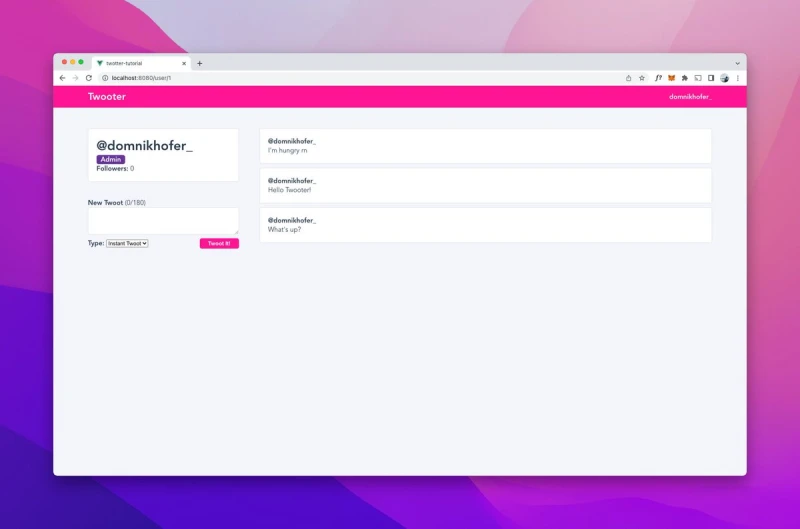
today is the 21st day of my #tweet100 challenge. and the last one (at least for now).
i'm taking a break from twitter and probably only post sporadically. just need some time to focus on myself atm.
thanks to everyone who has been following me up until now. see you soon ✌️
4 simple but effective daily habits to have:
🧘♂️ meditate
💪 exercise
📚 read
🧠 create/learn something
what's missing?
another great quote from my journaling app that really resonated with me:
“a bad day for your ego is a great day for your soul.”
currently reading “can't hurt me” by david goggins – if you're looking for a new book to read, this is the one to get 👇
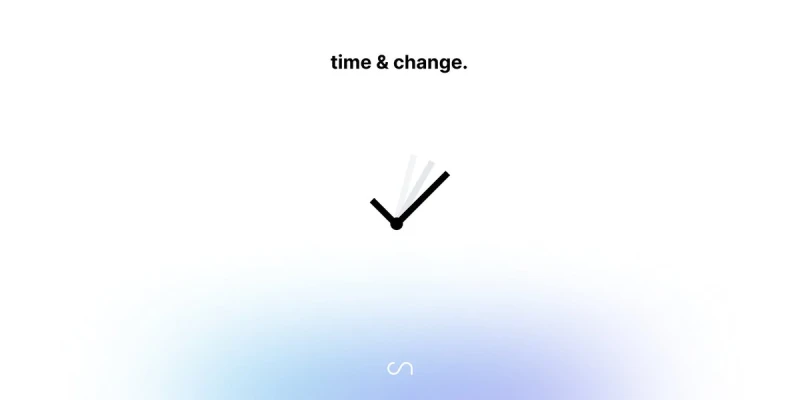
“without change, time would have no reason to exist.”
– @TheApertureYT
shoutout to @iPGregor for creating @punktapp – a simple journaling app that's so great that i've somehow managed to write an entry for 300 days straight 🥳
if you also want to start journaling in 2022, i highly recommend checking it out!
a thread of some great ideas to take into 2022. definitely worth bookmarking!
today is the last day of the year.
as a little recap, here are a few things i learned in 2021 👇
little personal update:
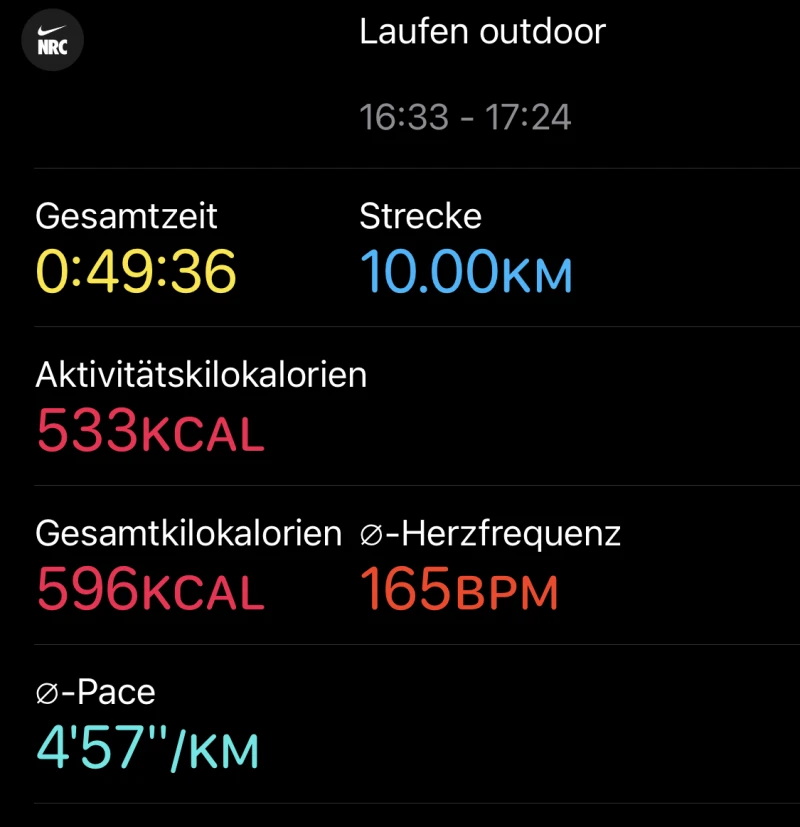
yesterday i ran my first 10k in under 50 minutes – which means i had an average pace < 5min/km 🙌
running is one of the things i discovered this year. feels great to end it with this little milestone :)
you can always choose, what you care about in life. and therefore also what you don't want to pay attention to.
your attention and focus are some of your most valuable resources. don't waste them on the 90% of things that are not worth it.
great quote from my journaling app:
"don't wish for it to get easier. wish that you will get better at it."
little reminder:
no matter what, the sky is always blue. you sometimes just have to wait until the clouds fade away.
this is not only true in nature – your mind and its thoughts work the same.
simple rules for a better life – according to marcus aurelius:
merry christmas everyone 🎄
enjoy the time with your loved ones!
“we are more often frightened than hurt; and we suffer more in imagination than in reality.”
– seneca
i laughed more about this than i wanna admit… https://xcancel.com/fromarsetoelbow/status/1473960843230519306